






Former World Bank economist cites tariffs, Fed tensions
Carmen Reinhart, Harvard professor and former chief economist at The World Bank, is warning that recession risks in the U.S. are “higher than average” due to mounting financial instability, policy volatility, and elevated interest rates. Speaking on CNBC’s “The Bottom Line,” Reinhart outlined a broad range of concerns shaking investor confidence and economic resilience.
“We have policy uncertainty from all angles,” Reinhart said. “Whether it’s tariffs or the president’s attacks on the Federal Reserve, the market environment is anything but stable.” She noted that these factors are undermining traditional economic forecasting models and exposing both investors and workers to heightened financial risk.
Trump policies may further reduce growth potential
Reinhart linked the U.S. administration’s isolationist policies to a long-term slowdown in growth. President Trump’s aggressive push to reshore manufacturing and restrict immigration could, according to Reinhart, reduce population growth—a vital factor in long-term economic expansion. “We shouldn’t be overly confident that a lot of the manufacturing that left will ever return,” she warned.
Instead, Reinhart advocated for more international cooperation, arguing that deglobalization could weaken productivity and innovation. “More globalization, more global cooperation is certainly preferred for everyone than variations of a Cold War and a fragmented system,” she added.
Geopolitical tensions heighten market stress
Ongoing geopolitical instability has only added to investor anxiety. With ongoing trade disputes, rising tariffs, and unclear diplomatic strategies, markets have grown increasingly sensitive to political moves. Trump’s criticisms of the Federal Reserve, particularly his push for more interest rate cuts, have further unsettled financial institutions and investors alike.
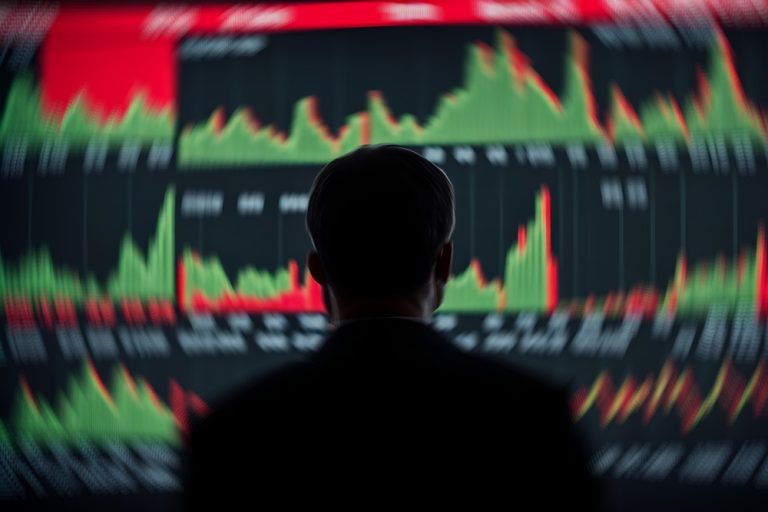
Such uncertainty is feeding into broader volatility across equity and bond markets. Higher borrowing costs, fluctuating currency values, and shifts in global capital flows have made portfolio planning more complex and risk-prone.
Investors urged to take long-term perspective
Reinhart recommended that both investors and workers prepare for turbulent times ahead by prioritizing diversification and patience. “Embrace medium- to long-term investment strategies and hedge your operations where possible,” she advised. This includes seeking safer assets, spreading risk across markets, and avoiding overly aggressive short-term bets.
While a recession is not guaranteed, the convergence of trade policy, monetary friction, and global unrest raises the probability of a slowdown. Reinhart’s call serves as a reminder that resilience depends not just on reacting to today’s headlines, but on preparing for the structural shifts shaping tomorrow’s economy.