








Luxury timepieces threatened by looming 39% trade penalty
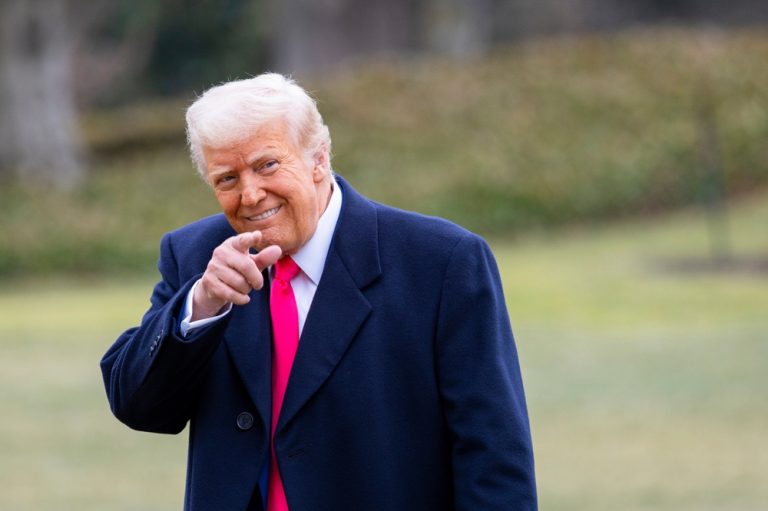
Switzerland’s prestigious watch industry is on edge as President Donald Trump prepares to impose a 39% tariff on Swiss exports to the United States. Set to begin August 7, the steep hike could cripple demand for new luxury watches, the country’s second-largest export category after pharmaceuticals and chemicals.
In 2024, Swiss watch exports totaled $29.5 billion, with the U.S. being Switzerland’s biggest buyer. Brands such as Rolex, Omega, Patek Philippe, and Audemars Piguet now face the prospect of passing massive cost increases to consumers or taking a hit on profit margins.
Retail prices expected to soar
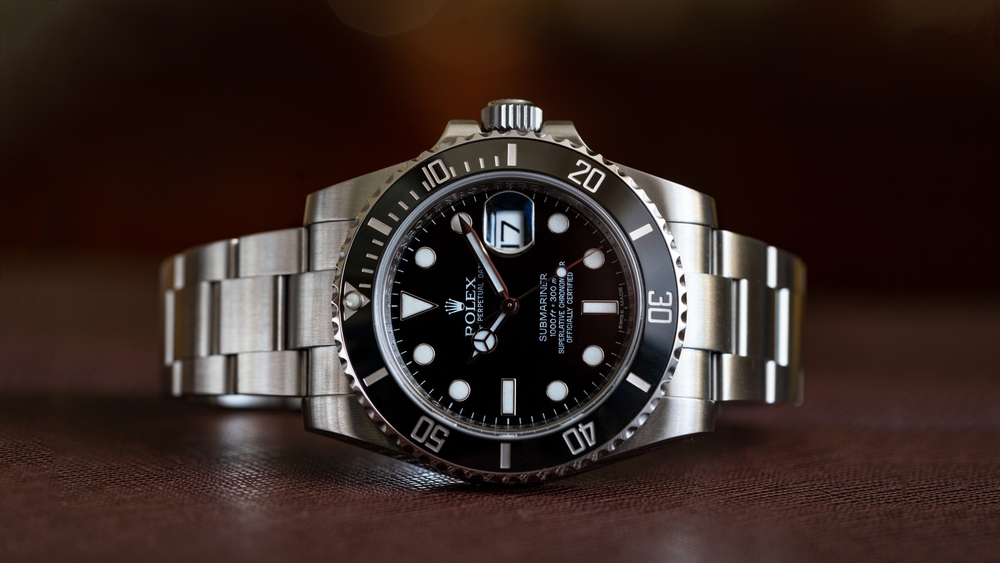
Industry insiders warn that even entry-level luxury watches could become unaffordable. “A 39% markup could make even a stainless-steel Submariner at retail jump from $10,000 to nearly $14,000,” said Paul Altieri, CEO of secondhand dealer Bob’s Watches. In anticipation, demand for pre-owned timepieces is already climbing as buyers look to avoid steep new price tags.
Luxury watch prices in the U.S. have already been on the rise following a 10% tariff introduced earlier this year. According to Morgan Stanley and WatchCharts, prices for top brands rose in the second quarter: Patek Philippe by 6.9%, Audemars Piguet by 6.7%, and Vacheron Constantin by 6.5%.
Global pricing ripple effects likely
Experts say that the tariffs’ impact won’t be confined to the U.S. market. Subdial, a watch marketplace and data provider, suggests brands will likely raise prices globally to maintain pricing parity across regions. This could lead to a broader shift in consumer behavior, pushing buyers further toward the growing secondhand market.
Retailers like Watches of Switzerland, which partners closely with Rolex, have indicated plans to work with brands to mitigate the effects, likely meaning a mix of customer price hikes and margin sacrifices. Rolex, Swatch Group, and other key players have remained tight-lipped in public statements.
Certified pre-owned market poised to gain
To offset potential losses in new sales, major brands may lean more heavily on certified pre-owned (CPO) programs. Rolex, for instance, acquired luxury retailer Bucherer last year, boosting its footprint in the U.S. through Tourneau stores. CPO platforms allow brands to retain customer loyalty and market share while offering more accessible pricing during turbulent times.
As demand for secondhand watches rises, prices in the used market are following suit. The long-term impact may be a shift in consumer norms, with buyers increasingly prioritizing value retention over novelty.
Trump’s tariff move could backfire
Ironically, the tariff decision could damage President Trump’s own commercial interests. He recently launched a line of Trump-branded watches, including a $100,000 Swiss-made model with a tourbillon movement. If the tariffs proceed as planned, even his luxury timepieces could be subject to the same penalties threatening the broader Swiss watch industry.