








Tariff uncertainty gives ECB cover to delay policy changes
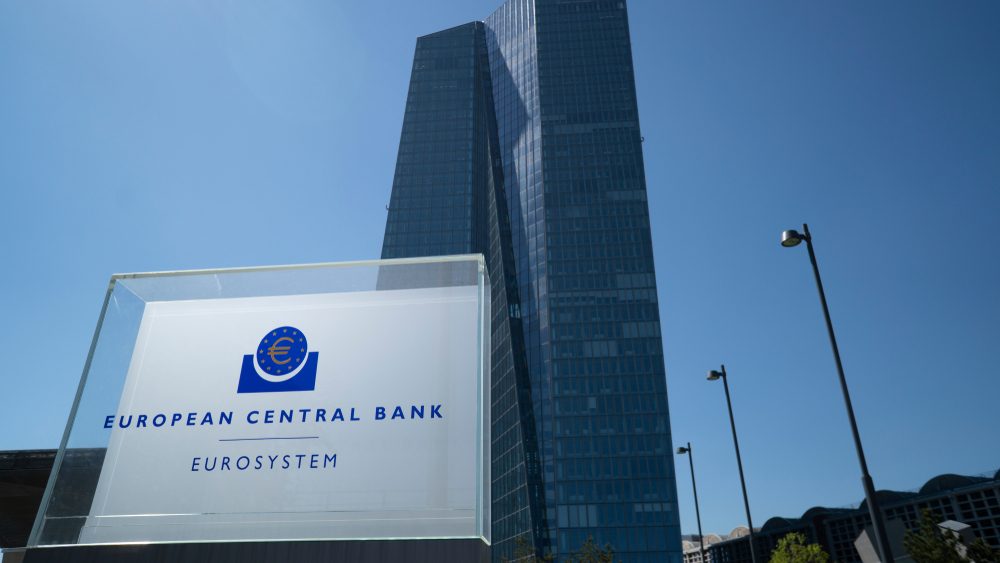
The European Central Bank is expected to keep interest rates unchanged this week, using continued ambiguity around U.S. tariff threats as justification. While a 30% blanket tariff on European goods looms, the lack of clarity from Washington has made it difficult for policymakers to act decisively. At the same time, the euro’s unexpected retreat this month has relieved some pressure on the ECB to tighten policy or intervene.
The euro had surged 15% against the U.S. dollar earlier this year, raising internal concerns about competitiveness. But since peaking above $1.18 on July 1, the currency has slipped by 1.5%, giving the ECB breathing room as it navigates the implications of a potential trade war.
Currency strength once welcomed, now a growing concern
Initially, ECB officials appeared to embrace the euro’s strength, viewing it as a sign of growing confidence in Europe. A strong euro helped dampen imported inflation and aligned with the policy goals of interest rate doves. But by midyear, policymakers began expressing concern that continued appreciation could hurt exports and overall growth.
ECB Vice-President Luis de Guindos suggested the central bank could tolerate euro gains up to $1.20, but anything beyond would complicate growth prospects. Latvia’s central bank governor Martins Kazaks echoed that sentiment, warning that currency appreciation coupled with tariffs could significantly impact export dynamics.
Balancing FX dynamics with monetary policy goals
Policymakers now find themselves in a delicate balancing act. Doves argue that additional euro strength justifies further rate cuts below the current 2% neutral level. In contrast, hawks caution that excessive easing may become overly stimulative, especially amid wage pressures and anticipated fiscal expansion from Germany later this year.
With the dollar stabilizing and yield differentials between the U.S. and Europe reasserting influence over exchange rates, some analysts believe a strategic easing move in September is more likely if the euro rises again alongside tariffs. Markets have already priced in at least one more rate cut in the current cycle.
Looking ahead: ECB’s path grows more complex
The ECB is closely monitoring the nature of foreign exchange moves. As Deutsche Bank notes, not all currency appreciation is viewed the same. An external shock that strengthens the euro amid economic weakness could justify further accommodation. Conversely, if appreciation arises from economic recovery and fiscal stimulus, tighter policy may follow.
For now, the ECB is expected to pause and reassess. However, as the fall approaches and Germany’s spending measures take effect, the central bank may have to shift gears. Policymakers will be watching both the currency markets and global trade developments to determine the next phase of monetary strategy.