








Shift driven by rising fiscal concerns and geopolitical risks
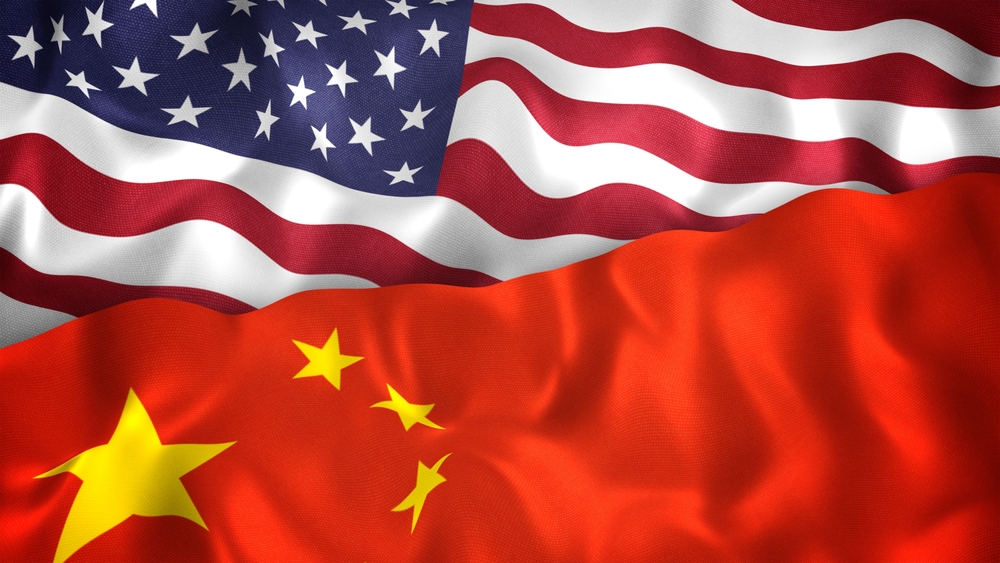
China is accelerating efforts to reduce its holdings of U.S. Treasury debt in a strategic move to shield its financial system from external shocks. Economists and government advisers argue the country must diversify away from dollar-denominated assets due to growing instability in the U.S. fiscal landscape and the weaponization of the dollar in global politics.
In May, China trimmed its U.S. Treasury holdings by $900 million to $756.3 billion, marking the lowest level since 2009. This was the third consecutive month of reduction and came despite other major holders like Japan and the UK increasing their exposure. Since 2013, China has cut its holdings by over 40%.
Push toward a diversified, resilient reserve structure
Chinese experts are advocating for a balanced and flexible foreign reserve portfolio. The strategy includes allocating more reserves to non-dollar assets such as gold, energy, food, and regional currencies, while also investing in short-term U.S. instruments to manage liquidity risk. China’s official gold reserves have grown for eight straight months, reaching 73.9 million ounces in June.
Foreign exchange reserves rose to $3.32 trillion at the end of June, the highest in nearly a decade. The country is also aiming to strengthen renminbi internationalization and deepen financial integration within Asia, where over 60% of reserves are still held in U.S. dollars.
Strategic response to long-term U.S. debt trajectory
While there is no imminent crisis in U.S. sovereign debt, economists like Guan Tao warn of long-term sustainability risks. With deficits ballooning and no clear fiscal stabilization plan, investor confidence may weaken. Moody’s downgrade of the U.S. credit rating to Aa1 in May highlights these concerns, citing a projected $3 trillion deficit increase due to new spending legislation.
The People’s Bank of China and affiliated institutions are closely monitoring these developments. Policymakers emphasize that extraordinary times require forward-looking measures to prevent economic fallout from global disruptions or potential U.S. sanctions.
Rebalancing reserves amid shifting global power dynamics
Reducing dependency on U.S. debt is seen not just as a defensive tactic, but as a transformative step in redefining the global financial order. Analysts like Chen Weidong suggest Asia should form an internal reserve system to reduce reliance on Western markets. For China, building a multi-layered reserve strategy is now deemed essential for long-term economic security and global influence.
The shift also aligns with broader geopolitical efforts to counterbalance U.S. dominance in global finance, while simultaneously improving China’s access to strategic materials and high-tech imports through a narrower trade surplus or even a temporary deficit.