








Claims Drop to Seven-Week Low Despite Economic Uncertainty
New applications for U.S. unemployment benefits fell to a seven-week low last week, signaling continued labor market resilience even as broader indicators suggest a gradual slowdown. The Labor Department reported that initial claims for state unemployment benefits dropped by 5,000 to a seasonally adjusted 227,000 for the week ending July 5. Analysts had expected a higher figure of 235,000, making the decline a surprise.
The drop marks the fourth consecutive weekly decrease, even with seasonal volatility surrounding the July Fourth holiday. While non-seasonally adjusted claims rose slightly — driven in part by temporary auto plant shutdowns in Michigan, Ohio, and Tennessee — the overall picture suggests employers are still reluctant to implement widespread layoffs.
Employers Opt for Cost Control Over Layoffs
Economists note that companies appear to be navigating rising costs by trimming labor budgets through attrition, reduced hours, and part-time shifts instead of large-scale job cuts. “Private-sector businesses have done well to preserve margin… rather than mass layoffs,” said Thomas Simons, chief U.S. economist at Jefferies.
However, experts warn this strategy may not be sustainable. With hiring also slowing, the labor market could become more fragile. The unemployment rate dipped to 4.1% in June, but that improvement was attributed in part to a declining labor force participation rate, which fell to its lowest level in over two years.
Mixed Signals in Hiring Trends and Job Creation
Last month’s jobs report showed the U.S. economy added 147,000 jobs — stronger than expected but concentrated in a few sectors. The 12-month average for job creation has dropped to 150,000, among the lowest levels since the pandemic recovery began, and significantly below pre-COVID trends.
The median duration of unemployment increased to 10.1 weeks in June, up from 9.5 weeks in May, suggesting it is becoming more difficult for job seekers to find employment. Continuing claims — the number of people receiving unemployment benefits after an initial claim — rose by 10,000 to 1.965 million, the highest since November 2021.
Tariffs and Policy Uncertainty Weigh on Outlook
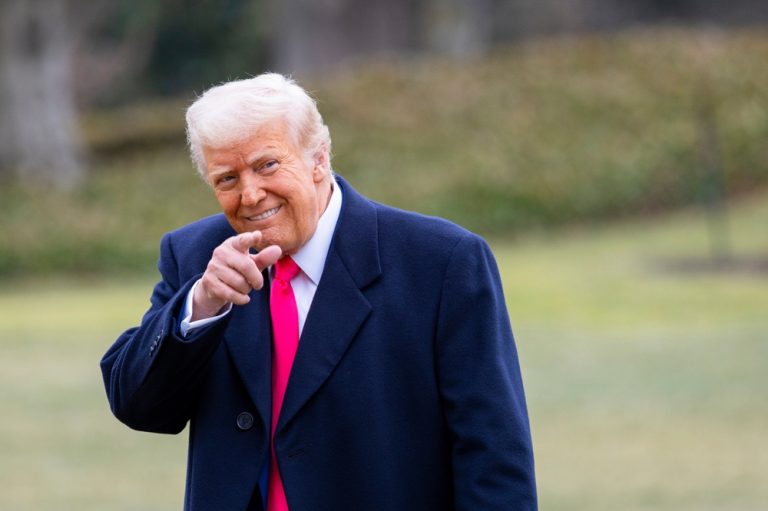
Employers are also facing uncertainty from President Donald Trump’s evolving trade policy. This month, Trump announced a 50% tariff on copper imports, with more duties expected on pharmaceuticals and semiconductors. These actions have complicated business planning and could delay hiring or investment decisions.
The Federal Reserve, meanwhile, has held its policy rate steady at 4.25%-4.50% since December. While rate cuts are still expected later in the year, officials are watching inflation closely amid rising tariffs. Futures markets currently anticipate two rate reductions by year-end, starting as early as September.
While jobless claims continue to fall and layoffs remain limited, weak hiring and policy uncertainty are raising concerns about the labor market’s future. As inflation pressures build and tariffs take hold, the risk of a gradual rise in unemployment remains. Economists expect only a modest uptick in joblessness, but the current low-hiring environment presents a growing challenge for displaced workers.