








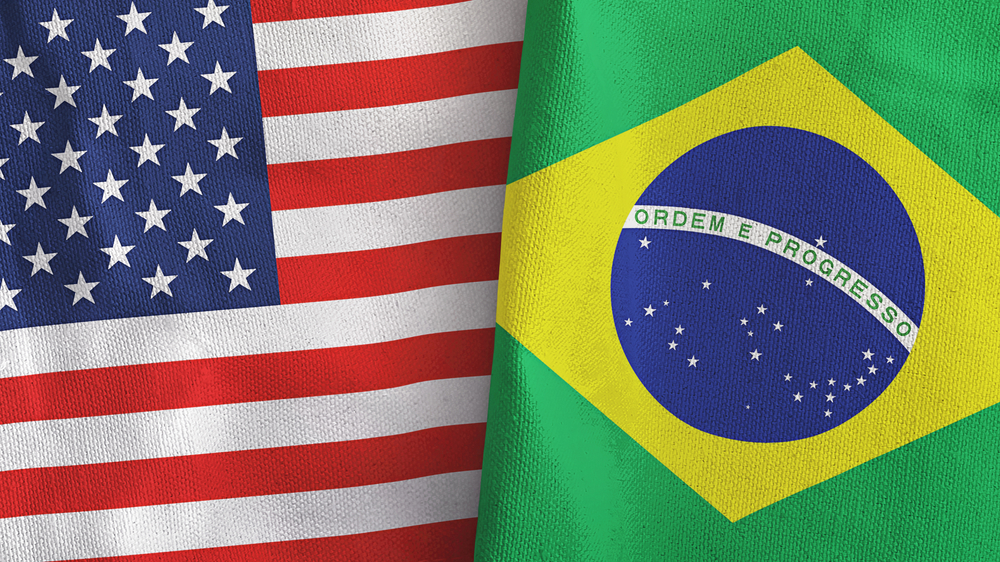
Trump’s move triggers currency drop below 5.60 per dollar
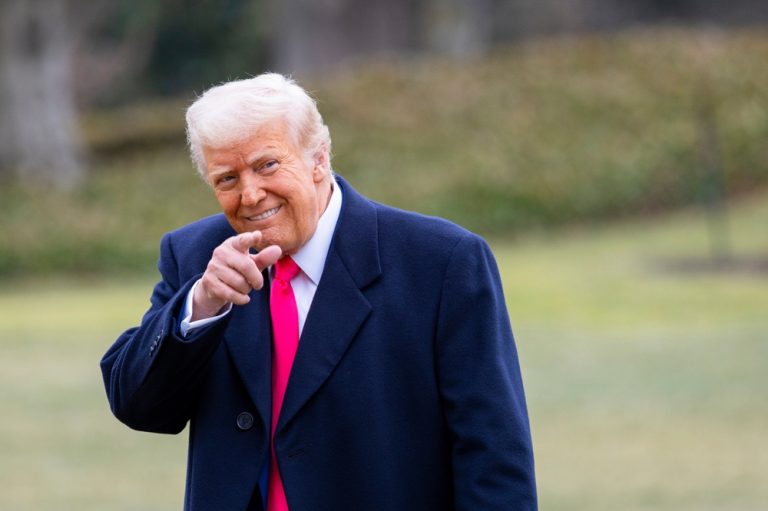
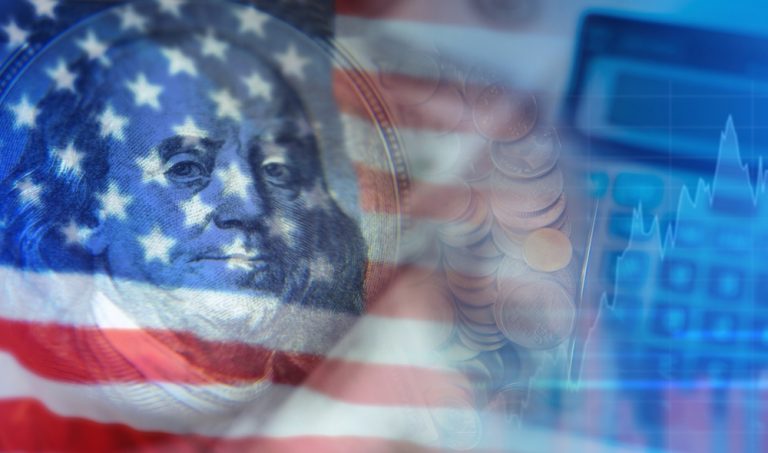
Brazil’s currency tumbled sharply on Thursday, sliding 2% against the U.S. dollar in spot trading, after President Donald Trump announced a sweeping 50% tariff on all goods imported from the country. The real weakened beyond the 5.60 mark per dollar, its lowest level in weeks, reflecting investor concern over rising trade tensions between the two nations.
The tariff decision, set to take effect August 1, comes amid a broader push by Trump to escalate his trade agenda, with Brazil now the latest target. The announcement sent shockwaves through Latin American markets, with analysts warning of potential inflationary pressures and capital flight if the currency continues to weaken.
Financial markets brace for prolonged volatility
Brazil’s central bank did not immediately intervene in the currency market, but traders expect possible measures in the coming days to prevent further depreciation. A weaker real could increase the cost of imports, especially fuel and food, at a time when inflation remains above the central bank’s target range.
Economists note that while Brazil maintains a trade surplus with the U.S., its export profile — which includes crude oil, steel, coffee, and pig iron — could be directly hit by the new tariffs. The move also threatens to disrupt supply chains and weaken confidence in Brazil’s external accounts.
Political tensions add pressure to Brazilian markets
Beyond the economic fallout, Trump’s tariff decision has strained diplomatic ties. The announcement followed a heated exchange between Trump and Brazilian President Luiz Inácio Lula da Silva over political issues, including U.S. concerns over free speech and judicial independence in Brazil.
Investors are increasingly wary that the conflict could deepen, with potential for retaliatory actions by Brazil. Bond yields and credit default swaps widened in early trading Thursday, signaling growing concerns about sovereign risk.
Outlook remains uncertain as August deadline looms
With less than a month before the tariffs take effect, Brazilian policymakers face mounting pressure to stabilize markets and safeguard economic growth. The government has yet to detail a formal response, but officials are reportedly weighing diplomatic and legal channels to challenge the tariffs.
In the meantime, the real is expected to remain under pressure, especially if risk-off sentiment prevails in emerging markets. Currency strategists say further depreciation toward 5.70 is possible if trade tensions escalate without resolution.