







Global trade outlook remains fragile, warns IMF
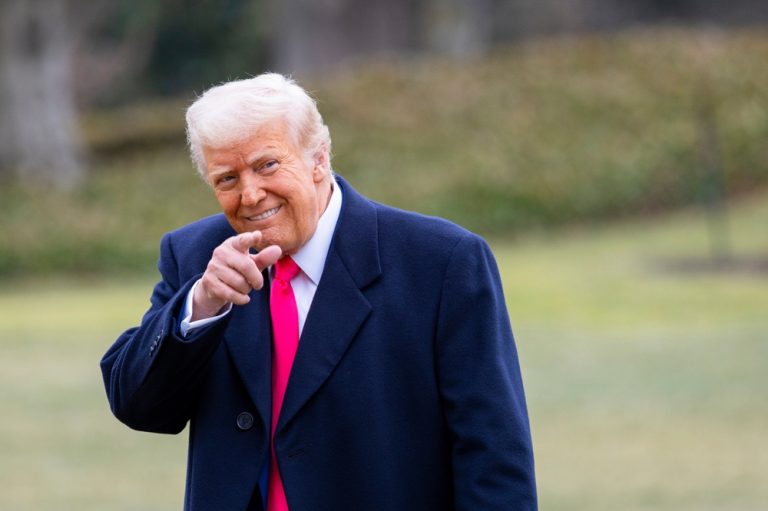
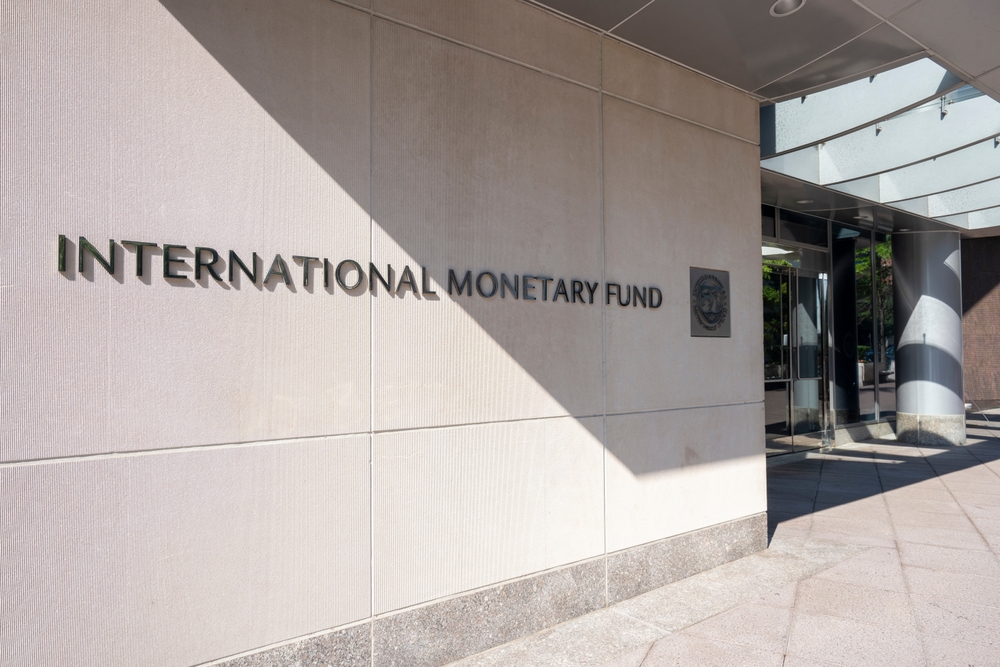
The International Monetary Fund (IMF) raised concerns on Thursday over the rising uncertainty in the global economy, following U.S. President Donald Trump’s decision to impose sweeping new tariffs. A spokesperson said the IMF is monitoring developments closely and called on countries to engage constructively to ensure a stable trade environment.
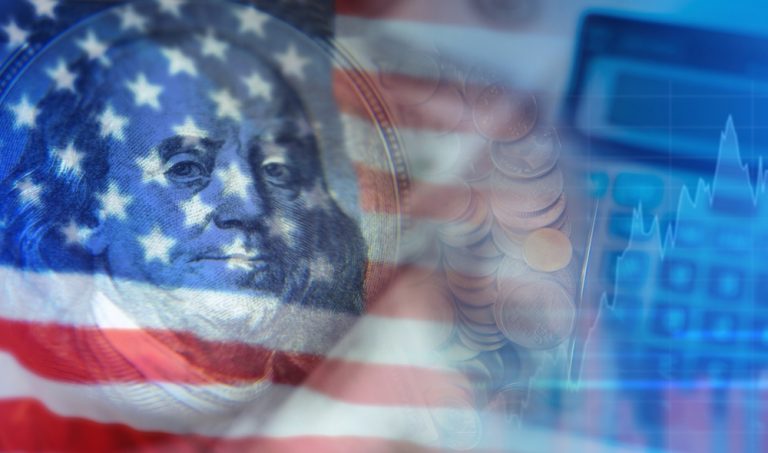
The IMF’s comments came in response to Trump’s latest tariff announcement, which includes a 50% levy on U.S. copper imports and Brazilian goods, set to take effect on August 1. These measures expand an already intensifying trade war, as similar hikes were announced for 21 other nations. The IMF stressed that such shifts in trade policy add to global uncertainty and complicate economic planning for businesses and policymakers alike.
Growth projections may be revised amid shifting conditions
The IMF plans to release an update to its April World Economic Outlook later this month, incorporating the potential economic consequences of Trump’s aggressive tariff policy. In its April report, the IMF had already lowered growth forecasts for major economies, citing rising trade tensions and the economic impact of tariffs that have reached levels unseen in nearly a century.
Recent activity suggests some temporary boosts from stockpiling ahead of tariffs, but economists warn that this momentum could quickly fade. “Economic activity has increased since April due to front-loading,” said one analyst, “but higher tariffs will bite harder in the second half of the year.”
Factories brace for impact as uncertainty mounts
Surveys from across the U.S., Asia and Europe show that manufacturers are increasingly worried about the future. While some businesses continue to grow, underlying softness in production data reveals how tariff threats are dragging down investment and long-term planning. The IMF’s call for cooperation underlines the need for diplomatic engagement rather than escalating trade wars.
Still, Trump administration officials maintain that the new tariffs will not stoke inflation and argue that a recent tax cut law will cushion the economy. But market reactions have been mixed, and sectors dependent on global trade remain vulnerable.
IMF urges diplomacy over confrontation
“Countries should continue to work constructively,” the IMF said, highlighting the urgency of finding multilateral solutions to shared economic challenges. With the August 1 tariff implementation date looming, the Fund emphasized the importance of ongoing negotiations and warned that a fragmented trade system could pose lasting damage to global stability.
The upcoming IMF report will offer a clearer picture of how these policies are reshaping the global economic landscape. Until then, uncertainty remains the dominant force, casting a shadow over business sentiment and investment flows worldwide.