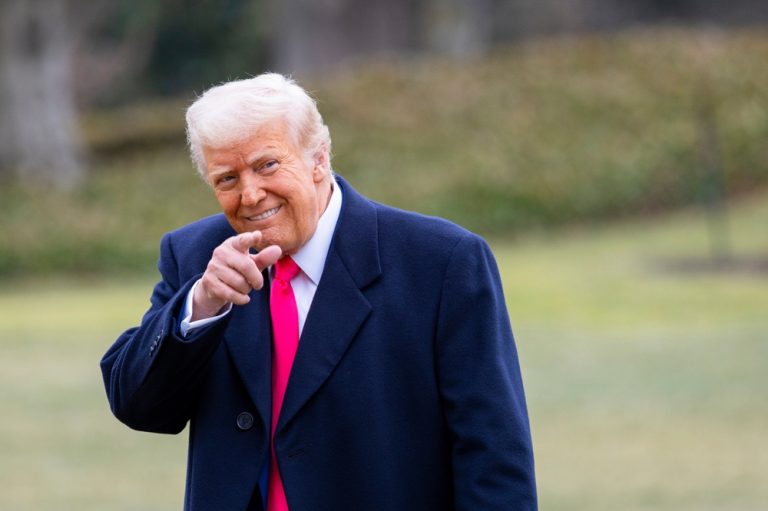










Stock Rally Fueled by Belief Trump Will Ease Tariff Pressure
The sharp rebound in equity markets since early April appears driven by investors’ confidence that President Donald Trump will soften his aggressive tariff rhetoric. Markets have largely dismissed escalating trade threats as political maneuvering, with many betting that announced levies will be scaled back during negotiations.
This optimism has propelled the S&P 500 to record highs, marking the second-fastest recovery from a bear market in 75 years. The Nasdaq also surged, shrugging off Trump’s recent threat to impose 30% tariffs on imports from the European Union and Mexico. Even as tensions escalated with Brazil and Canada, Wall Street remained resilient, signaling growing faith in what traders dub the “TACO” trade — short for “Trump Always Chickens Out.”
Valuations and Forward Expectations Raise Questions
Despite market gains, valuation concerns persist. The S&P 500’s forward earnings multiple is now well above its historical average, especially in tech, which has led the charge thanks to AI enthusiasm. Investors appear willing to pay a premium in the belief that AI will deliver substantial productivity gains.
However, many analysts argue the recent rally is underpinned by hopes that final tariff rates will land far below the aggressive levels announced during Trump’s “Liberation Day” declaration. If global average tariffs hover near 10-15%, market pricing may remain justified. But if rates escalate, particularly on EU goods, earnings forecasts and equity valuations may come under serious pressure.
Trump’s Tariff Strategy May Trigger Market Volatility
A key concern is that stock market strength could inadvertently embolden Trump to escalate his tariff agenda. Some analysts fear a feedback loop: resilient equities may lower the perceived cost of trade aggression, encouraging further measures that could ultimately destabilize markets.
BlackRock analysts noted continued volatility is likely, especially as uncertainty grows over who will bear the brunt of tariffs. They recommend maintaining a U.S. overweight position but expect greater dispersion in returns — offering opportunities for outperformance but also higher risk.
Barclays cautioned that Wall Street’s calm might be short-lived. If tariffs on EU goods jump to 30%, Europe could retaliate, triggering a renewed selloff. With European trade volumes surpassing those of China, the economic implications could be significant.
Europe as the New Focal Point in Trade Disputes
While much attention remains on China, data shows the U.S. now imports more goods from the EU than from any other region. In 2023, the U.S. imported $605.7 billion in goods from the EU — 18.6% of all imports — compared to $582 billion from China. The EU trade deficit, at $235.9 billion, ranks second only to China’s.
Trump has increasingly focused on Europe, claiming unfair trade practices akin to those he accuses China of. If no resolution is reached, analysts warn the risk to markets is not just regional but global. Equity pricing that assumes diplomatic compromise may soon be tested if escalation continues