





Politburo commits to helping exporters but avoids bold action
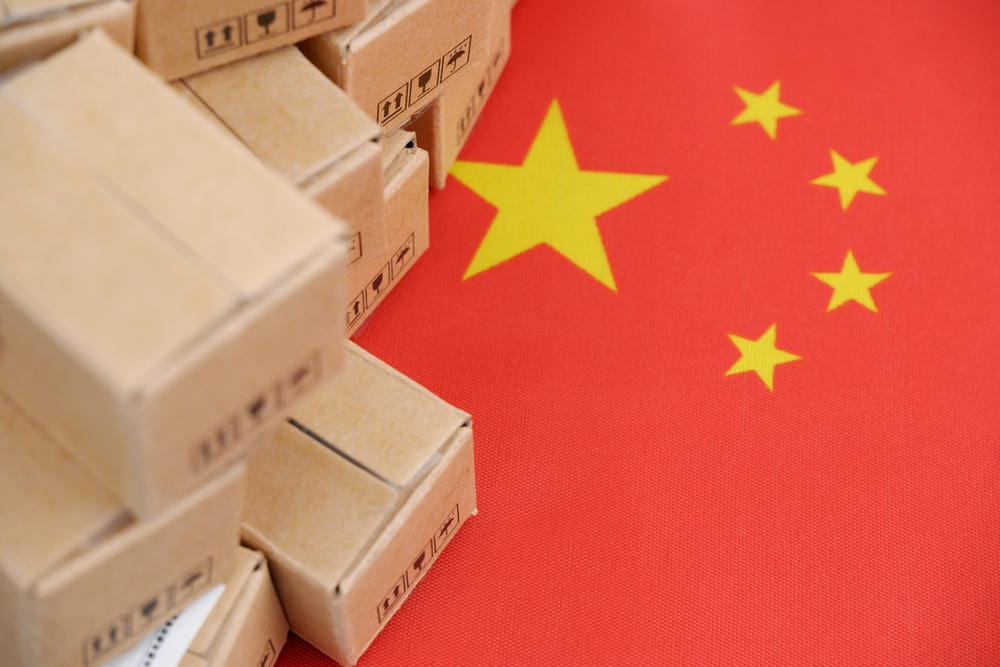
China’s top leadership has promised targeted support for companies impacted by rising U.S. tariffs, though no major new measures were announced following recent trade talks in Stockholm. At the Communist Party’s summer economic meeting, the Politburo reiterated commitments to stabilizing foreign trade and investment, with proposals such as enhanced export tax rebates and development of free trade pilot zones.
The official Xinhua News Agency quoted leaders saying they would assist affected foreign trade firms and improve financial backing, but specific policies remain unclear. Businesses continue to face uncertainty, especially with no resolution yet on pending tariff increases from the United States.
Trade talks end without decision on tariff deadline
Negotiations between U.S. Treasury Secretary Scott Bessent and Chinese Vice Premier He Lifeng concluded with no agreement on extending a truce in the trade dispute. The existing pause on higher tariffs is set to expire August 12. While China’s delegation indicated willingness to prolong the deadline, U.S. officials said the final call rests with President Donald Trump.
Current tariffs stand at 30% on Chinese goods entering the U.S. and 10% on American exports to China, far below the triple-digit rates proposed earlier this year. Many observers had expected a formal extension to be announced, but instead both sides remain at an impasse, leaving businesses and markets uncertain about what comes next.
China faces domestic headwinds as export reliance grows
President Xi Jinping’s government emphasized the need to stimulate domestic demand as weak consumption has pushed more companies to seek overseas markets. The Politburo warned of persistent risks, including overcapacity in key sectors and damaging price wars—particularly in the auto industry. The government also reaffirmed goals of promoting employment and avoiding a regression into widespread poverty.
Despite official claims of economic resilience, China’s GDP growth slowed to 5.2% in the second quarter, with some analysts warning actual performance may be weaker. Industrial profits fell 1.8% in the first half of 2025 and declined 4.3% in June, underlining pressure on manufacturers even during the temporary tariff pause.
Geopolitical tensions cloud trade progress
Beyond tariff disputes, political friction remains. Chinese Foreign Ministry spokesperson Guo Jiakun expressed hope for a stable relationship following recent communication between Presidents Trump and Xi. However, Guo defended China’s energy purchases from Russia, which U.S. negotiators criticized, signaling ongoing geopolitical disagreements.
“There are no winners in a tariff war,” Guo said, rejecting coercive measures. China, he added, will act in line with its national interests to ensure energy security and protect its economic sovereignty.