








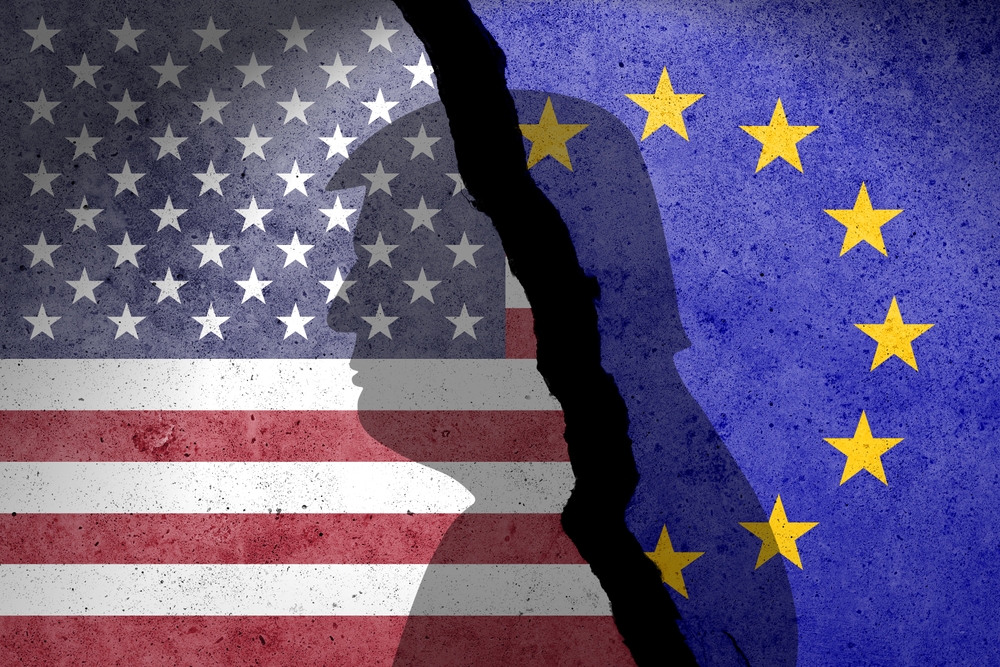
U.S. President Donald Trump reversed his decision to impose 50% tariffs on European Union imports, extending the deadline to July 9 to allow for further trade talks. This move led to a rally in European assets on Monday, with the euro rising to its highest level against the dollar since April 30, and European shares rebounding from previous losses. Trump’s decision marked a temporary reprieve in the ongoing trade war between the U.S. and the EU, but also highlighted the unpredictability of his trade policies.
Trump’s Softened Stance and Trade Talks Delay
Initially, Trump had expressed frustration with the pace of trade negotiations with the EU, threatening to implement the 50% tariff starting June 1. However, following a call with European Commission President Ursula von der Leyen, Trump agreed to delay the tariffs until July 9, the original deadline for the trade talks. Von der Leyen had requested more time to reach an agreement, and Trump granted the extension, emphasizing that the EU was ready to move quickly in finalizing a deal.
“We had a very nice call, and I agreed to move it,” Trump said, acknowledging the EU’s commitment to advancing talks swiftly. Von der Leyen echoed this sentiment, stating that Europe was prepared to engage in talks decisively to reach a good deal by the July deadline.
Ongoing Trade Friction Between the U.S. and EU
Despite the temporary extension, tensions remain between the U.S. and the EU over trade. The EU is currently facing 25% U.S. tariffs on steel, aluminum, and cars, as well as reciprocal tariffs of 10% on most other goods. These tariffs were expected to rise to 20% after Trump’s 90-day pause ends in July, but in a no-deal scenario, they could increase to 50%, which would significantly raise consumer prices on European goods ranging from luxury cars to olive oil and luxury handbags.
The ongoing trade talks have been stalled, with Washington demanding unilateral concessions from Brussels, while the EU seeks a mutually beneficial agreement. The delay in reaching a deal has added to the broader tension between the U.S. and Europe, as Trump’s “America First” approach clashes with Europe’s reliance on U.S. security and defense support.
Market Reactions to Trump’s Delay
Following Trump’s decision to push back the tariff deadline, European stocks rallied, with the pan-European STOXX 600 index rising 1% by 0710 GMT. The benchmark had dropped by 0.9% on Friday after Trump’s unexpected tariff announcement. The automobile and luxury goods sectors, highly sensitive to tariff-related pressures, saw strong rebounds, with luxury stocks and banks benefiting from the shift in trade policy. Oil prices also edged up in response to the positive market sentiment.
Trump’s Evolving Trade Strategy
Trump has sought to reshape global trade dynamics with his policies, and after initially threatening tariffs on multiple countries, he dialed back his rhetoric in favor of negotiations. While progress has been made with countries like Britain and China, discussions with the European Union have been more limited, frustrating Trump and contributing to ongoing tensions. The delay in imposing the 50% tariffs on EU goods is yet another chapter in the unpredictable trade war that has rocked global markets.