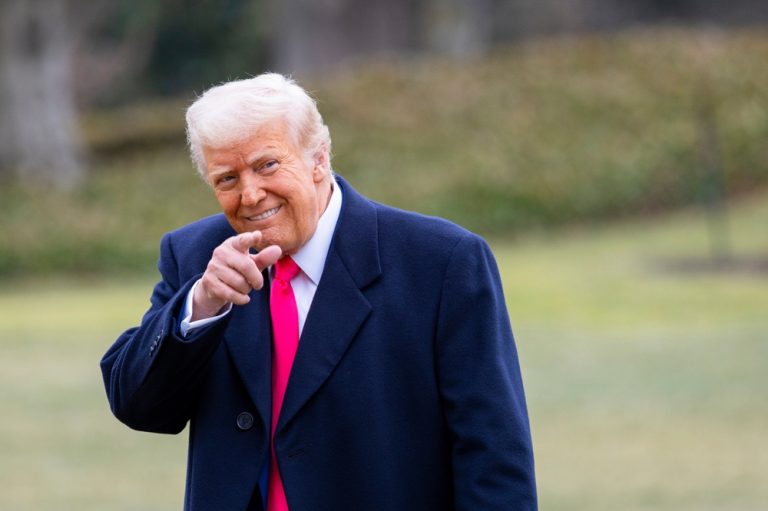









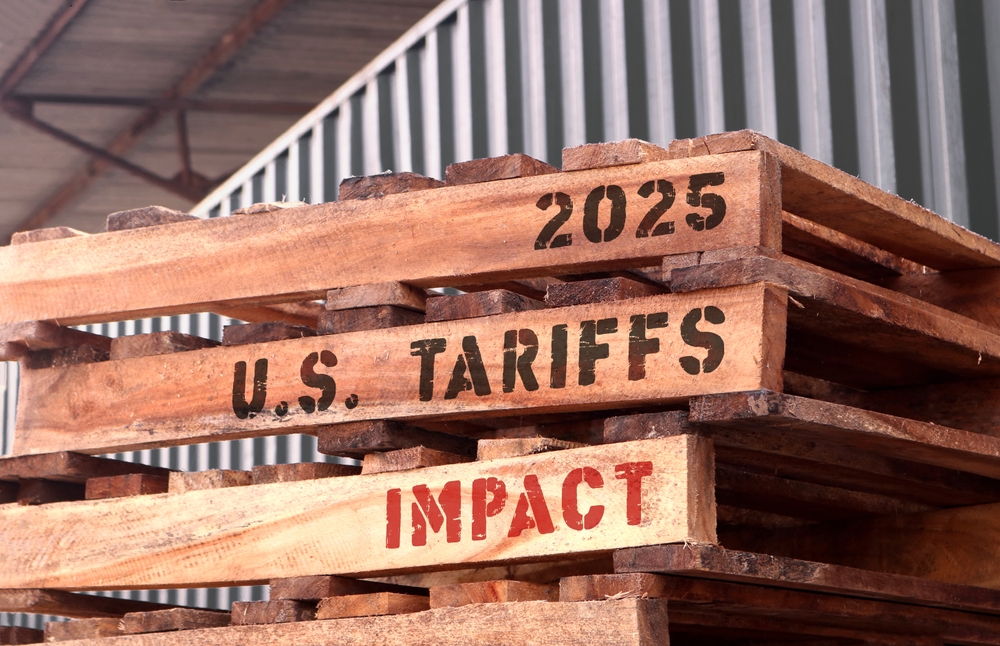
U.S. President Donald Trump renewed his trade war threats on Friday, signaling a potential 50% tariff on European Union goods starting June 1, alongside a warning of a 25% levy on all iPhones bought by U.S. consumers. These twin threats sent shockwaves through global markets, leading to declines in U.S. and European stocks, a weakened dollar, and a rise in gold prices as investors sought safer assets. The renewed tensions mark a return to Washington’s stop-and-start trade policy, adding to fears of a global economic downturn.
EU Tariffs and Trump’s Trade Strategy
The 50% tariff threat on EU imports stems from the White House’s frustration with slow progress in trade negotiations. Trump’s remarks were a clear warning to the EU, with the president stating, “I’m not looking for a deal. We’ve set the deal – it’s at 50%.” He also reiterated that there would be no tariffs if the EU builds its plants in the U.S., a move aimed at pushing European manufacturers to relocate production. The EU’s trade Chief Maros Sefcovic responded by emphasizing the need for mutual respect in negotiations, rejecting threats as part of the trade process.
Apple in the Crosshairs: A Push for U.S. Manufacturing
Trump’s attack on Apple, calling for a 25% tariff on iPhones, is part of his broader strategy to pressure companies to relocate production to the U.S. This push comes after previous attempts to bring automakers, pharmaceutical companies, and chipmakers back to the U.S. Trump’s ultimatum is particularly difficult for Apple, as the U.S. does not mass-produce smartphones despite Americans purchasing over 60 million iPhones annually. Shifting production to the U.S. would likely drive up costs, possibly by hundreds of dollars per device.
Trump later indicated that the tariff would also apply to other smartphone manufacturers like Samsung. “It would be more, it would be also Samsung and anybody that makes that product,” he said, highlighting his plan to increase pressure on the tech industry. This marks a pivotal moment in the trade war, where the U.S. president seeks to reshape the global manufacturing landscape.
Impacts on European and U.S. Markets
The tariff threats have already begun to ripple through markets, with European shares and U.S. stocks showing declines. The proposed 50% tariff could raise prices on everything from German cars to Italian olive oil, affecting both businesses and consumers. In particular, shares of German carmakers and luxury goods companies took a hit, with Volvo Cars CEO Hakan Samuelsson warning that tariff-related costs could make it impossible to import some of the company’s smaller models to the U.S.
Wall Street is particularly nervous about the economic impact of these tariff hikes, especially as U.S. Treasury yields have been pushed up by fears of rising deficits linked to the trade policy. With the 90-day tariff pause nearing its end, analysts are bracing for more potential volatility in the months to come.
Apple’s Plans and Challenges in U.S. Manufacturing
While Trump’s demand for Apple to manufacture iPhones in the U.S. has led to friction, the company is already making moves to diversify its manufacturing base. Apple has been accelerating plans to shift production to India, aiming to have most iPhones sold in the U.S. made there by 2026. However, moving manufacturing to the U.S. presents significant challenges. Apple’s February announcement of a $500 billion investment in U.S. infrastructure over four years does not include plans to move iPhone production back to American soil, further complicating Trump’s expectations.
According to analysts, it is hard to imagine Apple meeting Trump’s demands in the next 3-5 years. D.A. Davidson & Co analyst Gil Luria stated, “It is hard to imagine that Apple can be fully compliant with this request from the president in the next 3-5 years.” This raises questions about the feasibility of Trump’s trade agenda and its potential long-term economic effects.
As the trade war heats up again, the impact of these tariffs will be closely watched, with the EU, Apple, and the broader global economy all facing uncertain prospects. Investors are on edge, and businesses may have to adapt quickly to navigate the shifting trade landscape.