





Ifo index climbs, but weak fundamentals remain a concern
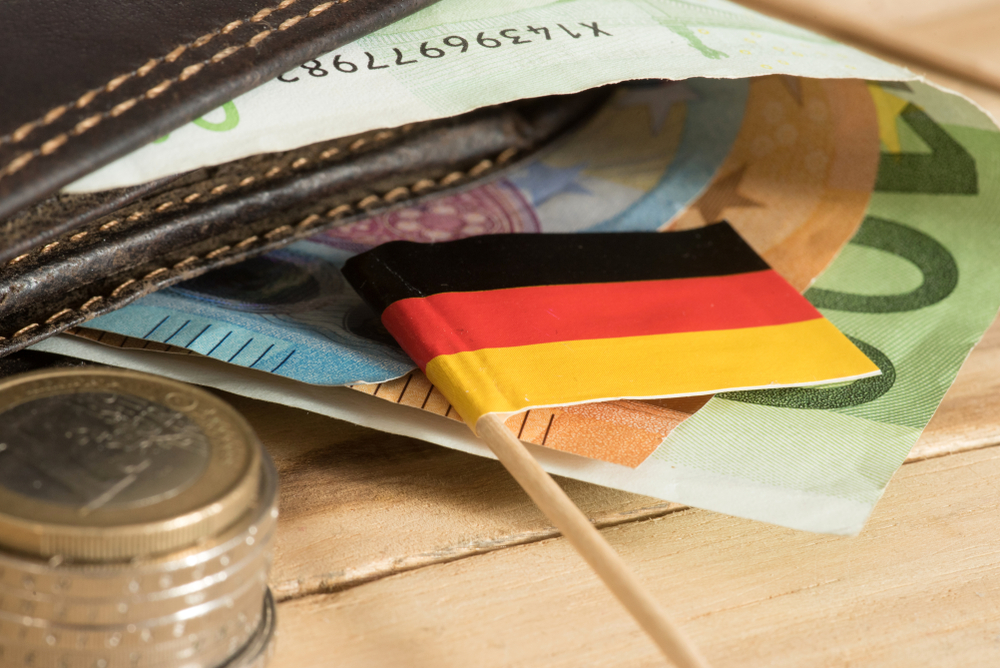
Germany’s business confidence rose in July to its highest level since June of last year, according to the latest survey from the Ifo Institute. The business climate index increased slightly to 88.6, up from 88.4 in June. Despite being the seventh consecutive monthly gain, the figure fell short of analyst expectations for a rise to 89.0, highlighting persistent doubts about the underlying strength of Europe’s largest economy.
“German business sentiment is still riding the wave of optimism,” said Carsten Brzeski, global head of macro at ING. He noted that while the steady improvement in the index is notable, it’s uncertain whether this reflects a real shift in economic conditions or simply hope surrounding new political and fiscal dynamics.
Optimism amid economic headwinds
Many German businesses appear to be looking ahead to the potential upside of recent government policy changes. Parliament recently approved a sweeping fiscal package, including a 500-billion-euro infrastructure fund and reforms that allow defense spending to be excluded from borrowing limits. This stimulus has been welcomed as a potential boost for investment and public confidence.
Major firms like Siemens and Deutsche Bank are contributing to the momentum, having just launched an investment initiative aimed at reigniting investor interest and long-term growth. Economists say this injection of capital could offer a short-term lift, even as structural challenges persist.
Conditions improve slightly, expectations stagnant
The Ifo index’s subcomponent measuring current business conditions ticked up to 86.5 from 86.2 in June. However, the expectations index — which reflects future business sentiment — remained virtually unchanged, signaling ongoing skepticism among firms about medium-term prospects.
Ifo president Clemens Fuest described the recovery as “anaemic,” echoing widespread concerns over the sluggish pace of Germany’s rebound. Klaus Wohlrabe, head of surveys at Ifo, noted that while the economy likely stagnated in the second quarter, modest growth could return later this year. “But there is a lack of momentum and dynamism,” he warned.
Economic stagnation threatens long-term outlook
Germany’s economy grew by 0.4% in the first quarter of 2025, but recent data suggest growth may have flatlined in the second quarter. Preliminary figures are expected soon, and markets will be watching closely to gauge whether the fiscal measures are starting to take effect.
Commerzbank chief economist Joerg Kraemer remains cautious, stating that while the government’s stimulus package will likely provide a boost, the long-term outlook remains subdued due to demographic pressures, trade frictions, and structural weaknesses.