







Trump Announces Major Trade Pact With Japanese Government
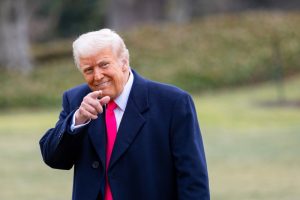
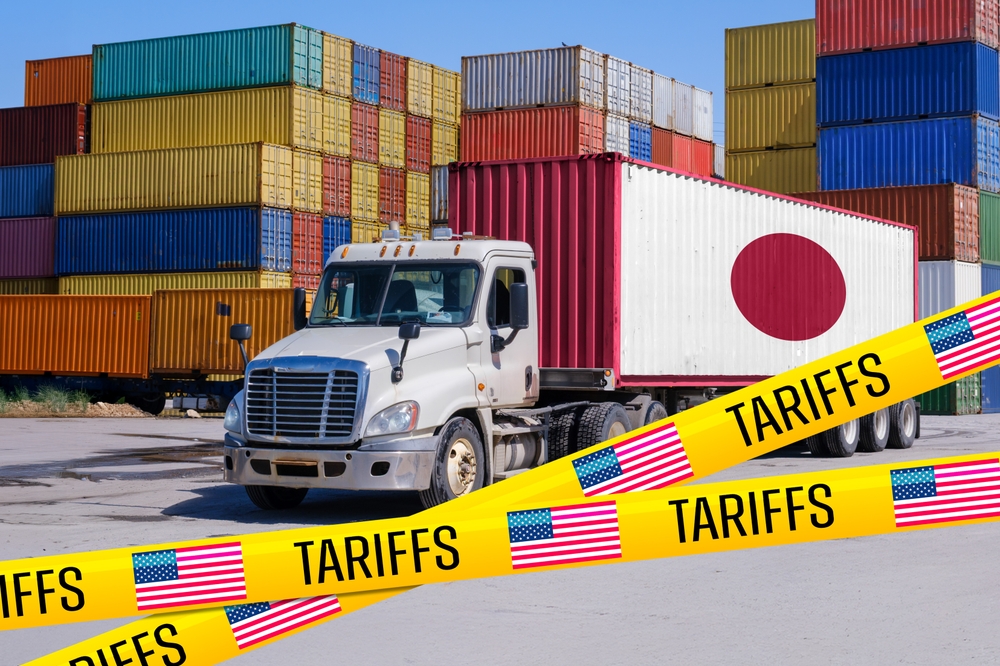
President Donald Trump unveiled a landmark trade agreement with Japan, calling it one of the most significant deals ever signed by the United States. The agreement introduces a 15% reciprocal tariff on Japanese goods entering the US, including automobiles and car parts — a notable concession that gives Japan an edge over other auto-exporting nations still facing a 25% levy.
In exchange, Japan committed to investing $550 billion in the US economy through a mix of equity and loans. These funds are expected to support Japanese businesses operating in high-priority sectors such as semiconductors and pharmaceuticals.
Automobiles, Agriculture and Market Access in Focus
Automobiles, long a sticking point in US-Japan negotiations, played a central role in the agreement. Japan becomes the first country to lower US auto tariffs without volume restrictions, giving its automakers a competitive boost. Additionally, Japan agreed to expand access to its agricultural market, particularly for American rice and other key food exports.
Japanese officials stressed that their domestic agriculture industry would not be compromised. Meanwhile, the US may benefit from increased rice sales, a topic that Trump frequently highlighted during recent talks. Japan’s prior restrictions on rice imports had been a barrier to US producers looking to tap into the Japanese market.
Markets React Positively, Broader Negotiations Continue
Following the announcement, Japanese markets surged, with the Nikkei Index jumping 3.7% on optimism around the deal. Automaker stocks led the rally, fueled by the tariff relief granted under the new framework. Japanese Prime Minister Shigeru Ishiba praised the agreement as a milestone that could enhance industrial collaboration and job creation in both nations.
Still, certain areas like steel and aluminum remain under a separate 50% tariff. Japanese negotiators confirmed that talks on these and other unresolved issues will continue. The agreement with Japan follows similar recent deals with the Philippines and Indonesia, as Washington races to finalize trade terms before an August 1 deadline that could trigger steeper tariffs worldwide.
Strategic and Economic Implications Run Deep
Beyond trade, the two nations are reportedly close to finalizing a joint venture on a natural gas pipeline in Alaska. This energy cooperation aligns with the Trump administration’s broader strategy of encouraging allies to reduce reliance on China by deepening economic ties with the US.
Japan remains a top-tier economic partner, ranking as the fifth-largest exporter to the US with $148 billion in goods shipped last year. In return, the US exported $80 billion worth of goods, with energy, aerospace and pharmaceutical products leading the way. Japan also holds $1.1 trillion in US Treasury debt, underscoring its importance as a financial partner.