








Tariff-driven frontloading fades, raising growth concerns
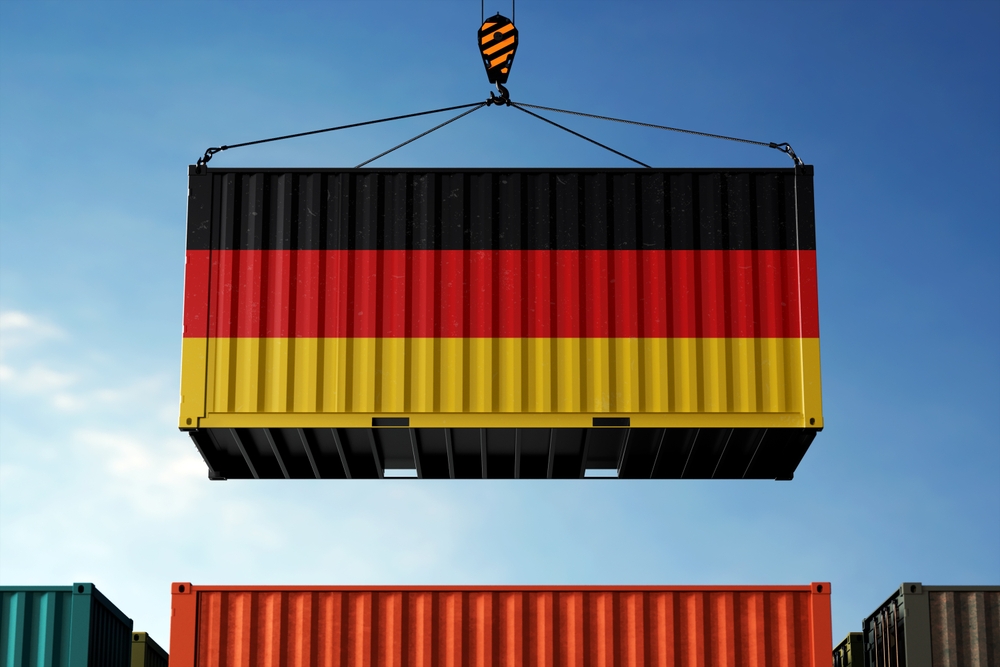
Germany’s exports declined by 1.4% in May compared to April, surpassing expectations for a modest 0.2% drop, according to data released Tuesday by the Federal Statistics Office. The reversal follows a rush in February and March by firms to ship goods ahead of U.S. tariffs, a strategy now losing momentum.
Exports to the United States — Germany’s largest trading partner — fell sharply by 7.7% in May, deepening the 10.5% decline seen in April. This downturn effectively wiped out the temporary boost from frontloaded shipments earlier in the year, when exports to the U.S. surged 8.5% in February and 2.4% in March.
Tariff impact limited, but euro strength adds pressure
The baseline 10% U.S. tariff that took effect April 5 has so far had a modest effect on Germany’s export performance. Analysts note that many German products fall into less price-sensitive categories, mitigating the direct impact of the duties.
“The 10% tariffs should be manageable for German exports,” said Carsten Brzeski, global head of macro at ING. Still, he cautioned that the strengthening euro is compounding challenges by making German goods more expensive globally.
Compared to May 2024, exports to the U.S. were down 13.8% on a seasonally adjusted basis. With a July 9 deadline looming for the European Union and the U.S. to reach a trade agreement, pressure is mounting. Commerzbank economist Ralph Solveen warned that failure to secure a deal would likely lead to further declines in exports to the U.S. in coming months.
EU trade talks intensify as economy risks stagnation
EU officials said efforts are ongoing to finalize an agreement before the deadline. European Commission President Ursula von der Leyen and President Trump reportedly had a “good exchange,” but a breakthrough remains uncertain. German Finance Minister Lars Klingbeil emphasized that the EU stands ready to respond with countermeasures if a fair deal is not reached.
Despite the export slump, Germany’s trade surplus rose to €18.4 billion in May from €15.7 billion in April, thanks to a 3.8% decline in imports. Still, the macro outlook remains fragile. Brzeski warned that recent trade data suggests Germany could face another quarter of stagnation or even slight contraction in Q2.
EU and global exports both lose ground
Exports to other EU countries dropped 2.2% in May, while shipments to countries outside the EU slipped 0.3%. Economists say a broader recovery across Europe is crucial for German exporters to regain traction. “A recovery in this economic region is the basic prerequisite for our exporters to regain their footing,” said Cyrus de la Rubia, chief economist at Hamburg Commercial Bank.