









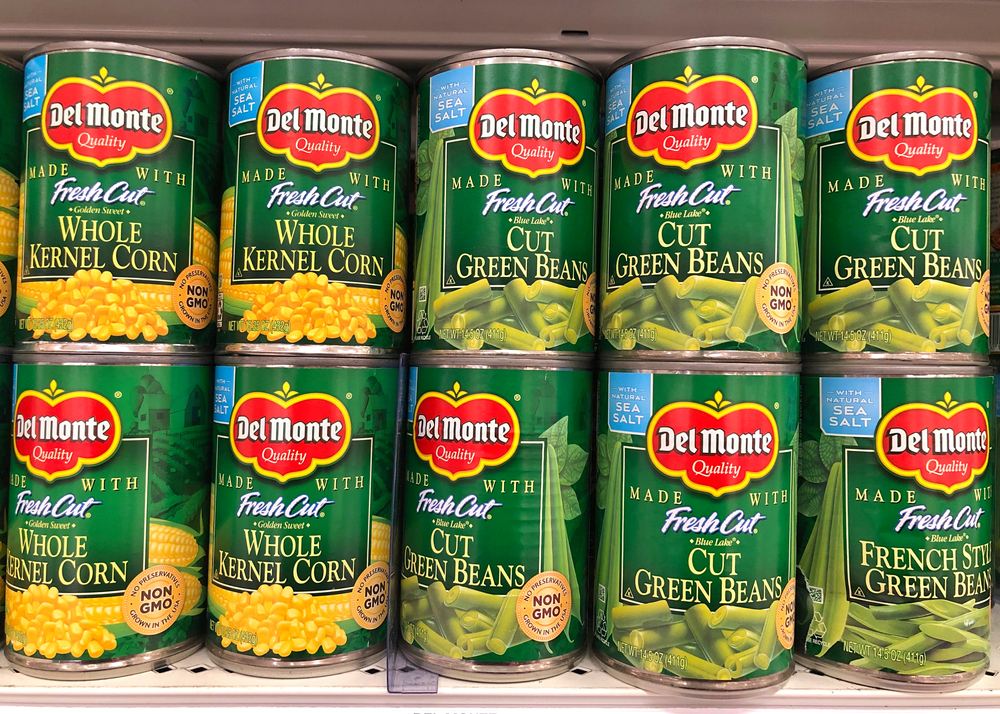
Iconic canned goods brand enters Chapter 11 amid shifting consumer trends
Del Monte Foods, the 138-year-old staple of American pantries, has filed for Chapter 11 bankruptcy protection and is actively seeking a buyer for its assets, the company announced late Tuesday.
The legacy food producer, best known for its canned fruits, vegetables, and household brands like Contadina and College Inn, said the court-supervised sale process aims to accelerate its turnaround and ensure long-term viability.
“A court-supervised sale is the most effective way to accelerate our turnaround and create a stronger and enduring Del Monte Foods,” said CEO Greg Longstreet in a statement. He confirmed that the company has secured $912.5 million in debtor-in-possession financing to keep operations running during the peak canning season.
Liabilities and financial pressures
Del Monte disclosed estimated liabilities between $1 billion and $10 billion in its court filings. The company attributed its financial difficulties to macroeconomic headwinds, shifting consumer behavior, and rising costs related to excess inventory and promotional expenses.
“We’ve faced challenges intensified by a dynamic macroeconomic environment,” Longstreet said, pointing to reduced consumer spending and an increased preference for private-label and fresh food options.
Industry observers noted the changing landscape has particularly hurt traditional canned goods. “Consumer preferences have shifted away from preservative-laden canned food in favor of healthier alternatives,” said Sarah Foss, global head of legal and restructuring at Debtwire. “Del Monte is struggling with surplus inventory and declining demand.”
Legacy brand under pressure
Founded in 1886, Del Monte built its first major cannery in San Francisco in 1907 and by 1909 operated what it claimed was the largest fruit and vegetable cannery in the world. Despite its long-standing reputation and deep market presence, the company has failed to keep pace with evolving tastes and retail competition.
While Del Monte will continue to operate during the sale process, the bankruptcy filing marks a significant chapter in the decline of a once-dominant U.S. food manufacturer grappling with seismic shifts in consumer preferences and retail economics.