





Albanese government continues efforts to seek exemption
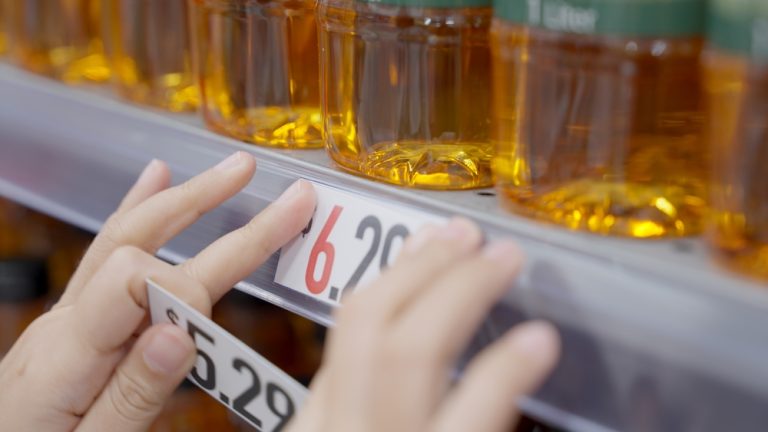
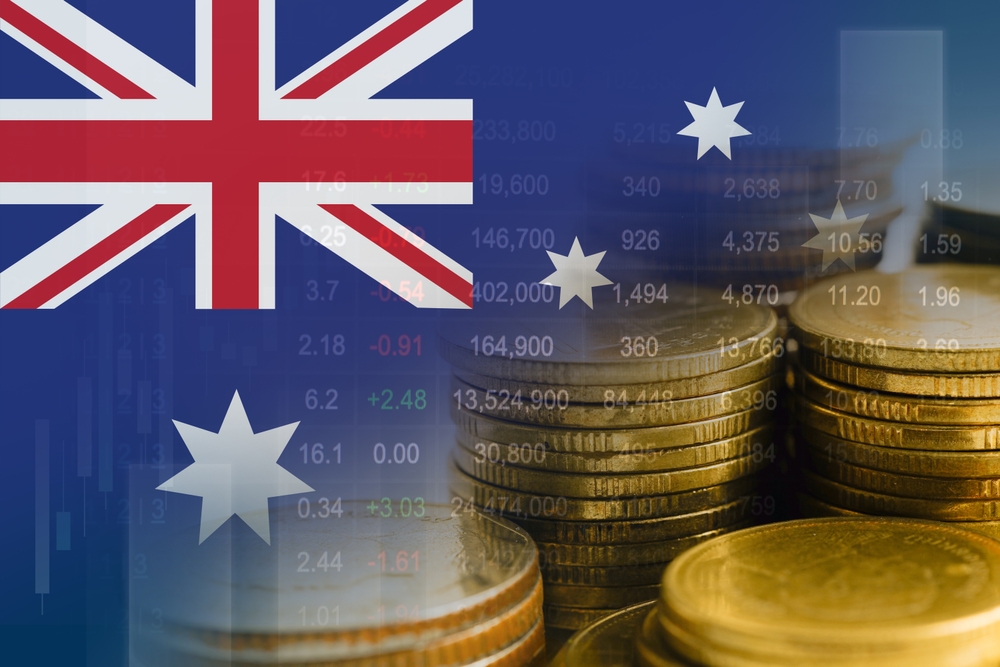
Australian Prime Minister Anthony Albanese said on Friday that Australia is likely to remain subject to the 10% baseline U.S. tariff on exports, as the July 9 deadline for President Donald Trump’s reciprocal tariff policy approaches.
Speaking at an event in Sydney, Albanese acknowledged that while the tariff pause ends next week, Australia is not among the countries expected to face increased duties. “No country has a better tariff level than 10%,” he stated. “Now we will continue to put our case as we do.”
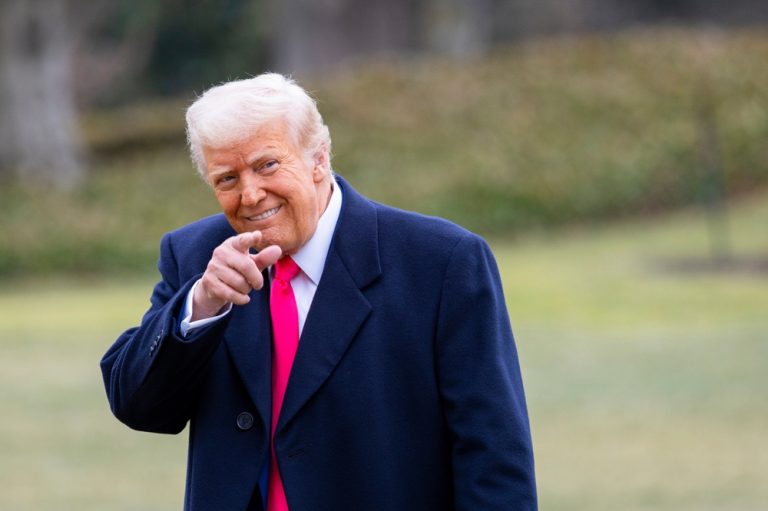
The U.S. administration under Trump has threatened to send formal notices to countries without bilateral trade deals, specifying new tariffs as high as 70% on some imports. Australia, however, is expected to retain its current 10% rate under the existing trade framework.
“We are in a position where on July 9 that won’t really have an impact on us because that’s about other countries who have higher rates,” Albanese said. Still, he reaffirmed that the government remains engaged in pursuing an exemption through continued negotiations with Washington.
Missed meeting, ongoing diplomacy
Albanese had planned to discuss the issue directly with Trump during a sideline meeting at the G7 summit, but the session was cancelled after Trump left early amid escalating tensions in the Middle East. The Australian government is now working to secure alternative opportunities to engage with the White House on trade and broader bilateral matters.
“There will be many opportunities to meet at various forums between now and the end of the year,” Albanese said, noting the importance of maintaining strong diplomatic channels despite the shift in U.S. trade posture.
Australia’s efforts to avoid any tariff increase reflect broader concerns among U.S. allies about the Trump administration’s aggressive use of import levies as leverage in trade negotiations. Countries like Japan and the EU are still seeking to finalize agreements before the looming deadline.