







June sentiment falls as EU-U.S. trade talks remain unresolved
German export sentiment declined in June, weighed down by persistent uncertainty surrounding U.S. tariff threats, according to the latest survey from the Ifo economic institute. The Ifo index for export expectations dropped to -3.9 from -3.0 in May, reflecting mounting concerns across the country’s export-driven sectors.
“The tariff threats from the U.S. are still on the table. An agreement between the EU and the U.S. has yet to be reached,” said Klaus Wohlrabe, head of Ifo surveys. “This uncertainty is lowering exporters’ expectations.”
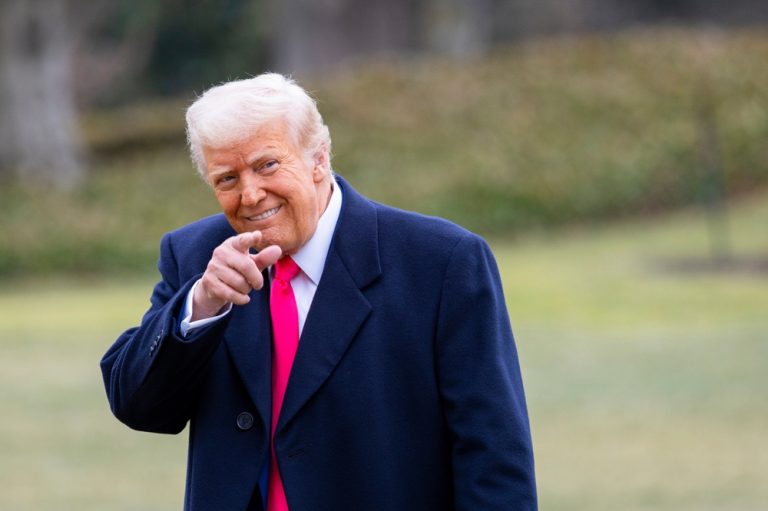
President Donald Trump has renewed pressure on European trade partners, announcing sweeping tariffs aimed at narrowing the U.S. goods trade deficit with the European Union. While negotiations are ongoing, officials on both sides remain far apart, with European negotiators increasingly expecting that a 10% reciprocal tariff may become the default outcome.
Auto industry and exporters brace for fallout
Germany’s export-heavy economy is particularly vulnerable to transatlantic trade tensions, and key industries like automotive manufacturing are sounding alarms. Carmakers, who rely on access to the U.S. market, fear that increased duties could erode their competitive edge and shrink profit margins.
The export downturn comes amid broader economic challenges in Europe, where slowing global demand and supply chain disruptions continue to pressure industrial output. Ifo’s report underscores how external policy uncertainty is becoming a major headwind for German exporters already navigating a complex macroeconomic environment.
Outlook dims without clear U.S.-EU resolution
Talks between the EU and U.S. are still in progress, but insiders say momentum is waning. According to five sources close to the negotiations, European officials now believe that a 10% tariff on EU exports to the U.S. — mirrored by a reciprocal rate from the EU — is the likely baseline in any final agreement.
With no resolution in sight, German companies may delay investments and scale back production forecasts. The Ifo data signals that unless a breakthrough emerges, the current atmosphere of trade uncertainty could weigh on Germany’s broader economic recovery into the second half of 2025.