









May sees sharpest spike in over 50 years as core inflation climbs
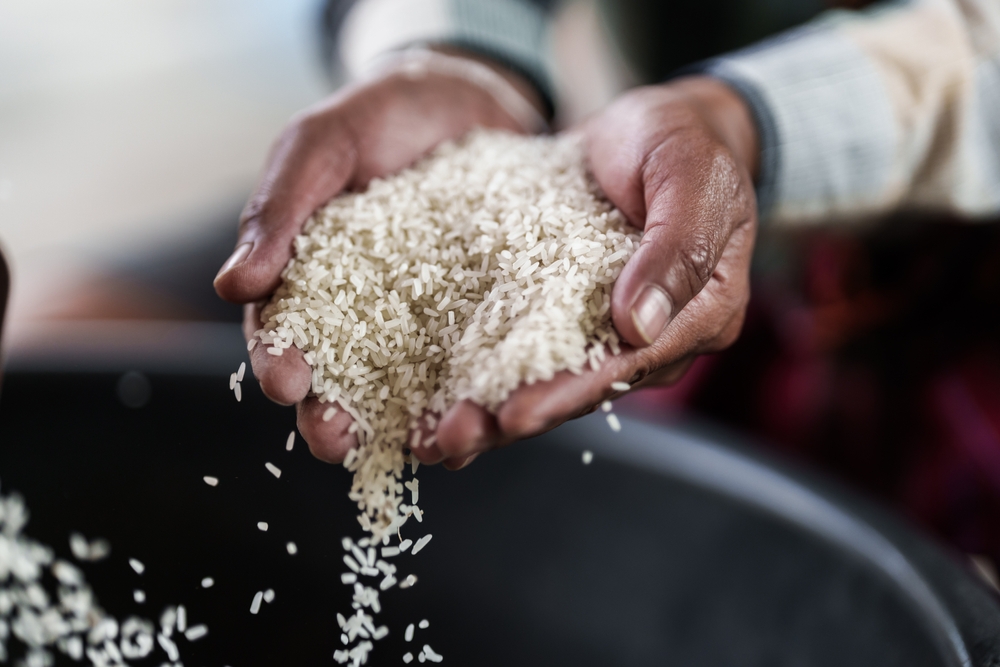
Rice prices in Japan surged by 101.7% in May compared to the previous year, marking the steepest increase in more than five decades. The spike continues a troubling trend that began earlier this year, with prices rising 98.4% in April and 92.1% in March. The government has responded by releasing emergency rice stockpiles in an attempt to stabilize the country’s most essential food item.
The price explosion has had a significant impact on inflation metrics. Japan’s core inflation rate — which excludes fresh food — rose to 3.7% in May, its highest level since January 2023 and above economists’ expectations of 3.6%. Headline inflation came in slightly lower at 3.5%, but this still marks the 38th consecutive month above the Bank of Japan’s 2% target.
Rice drives inflation as BOJ holds rates steady
JP Morgan strategist Marcella Chow noted that rice alone accounts for around 50% of Japan’s core inflation, underscoring how sensitive inflation trends are to food prices. “If reductions in rice prices extend to processed foods and restaurants, household spending could improve,” she told CNBC.
The BOJ’s preferred inflation measure — the “core-core” rate, which excludes both food and energy — also climbed to 3.3%, up from 3% the previous month. Despite these inflationary pressures, the BOJ left interest rates unchanged at 0.5% during its latest policy meeting, citing uncertainty about the long-term sustainability of price growth.
Growth concerns loom despite price pressure
BOJ Governor Kazuo Ueda reiterated that rate hikes would continue only once the central bank gains more confidence that inflation will sustainably hover around the 2% level. For now, the BOJ projects that underlying CPI will slow, citing a weakening economy as a key factor. This caution comes as Japan’s GDP shrank by 0.2% in the first quarter of 2025, marking the first quarterly contraction in a year, driven by a drop in exports.
Meanwhile, Neuberger Berman’s Kei Okamura stated on CNBC that the inflation readings weren’t surprising, considering the broader rise in food costs. He expects food price pressures to ease in the coming months, though he warned that Middle East geopolitical tensions could still drive up energy prices, complicating the inflation outlook further.