








The European Commission is actively exploring ways to cooperate with the United States in key industries, including aerospace, steel, semiconductors, and critical minerals, as part of efforts to address ongoing trade tensions. European Trade Commissioner Maros Sefcovic, speaking from Dubai, emphasized the importance of reducing tariffs and improving market access between the two economic giants. The discussions are being held in the context of the European Union’s broader efforts to ease trade relations with the U.S., especially after recent tariff-related challenges.
Focused Dialogue on Tariffs and Market Access
Sefcovic revealed that discussions between the EU and U.S. are intensifying, with talks taking place every other day in a bid to find common ground on tariff reduction. “What we are looking at first and foremost are all the tariff lines, what we can do there, and how we can look at market access from this new perspective,” he explained. A follow-up call is set for Thursday, with the EU aiming to make significant strides toward an agreement that benefits both parties.
Strategic Sectors for Transatlantic Cooperation
The European Commission is particularly focused on forging closer ties with the U.S. in industries that are critical for future economic growth. Sefcovic mentioned several sectors where cooperation could yield mutual benefits, including aviation, steel, semiconductors, and critical minerals. “The two largest trading partners on this planet have to find the best possible framework for trade and investment,” he said, highlighting the importance of collaboration to strengthen the economic relationship between the EU and the U.S.
New Momentum After Tariff Reductions
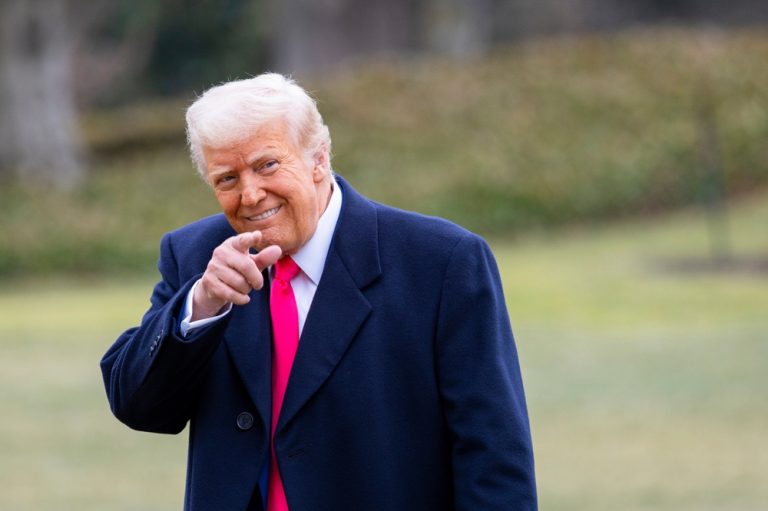
Recent shifts in trade relations between the EU and the U.S. have provided fresh momentum for negotiations. After President Donald Trump withdrew his threat to impose 50% tariffs on EU imports, trade talks have gained new traction. This development followed a constructive conversation between Trump and European Commission President Ursula von der Leyen, where both sides agreed to fast-track discussions. The EU has pushed for an end to the 25% tariffs on steel and cars and hopes to reduce the provisional 10% tariff set on the EU during a 90-day pause, which is set to expire in July.
The Trade Deficit and the U.S. Agenda
Despite the positive developments in trade talks, the U.S. remains focused on addressing its trade deficit with the EU, which reached nearly €200 billion ($226 billion) last year. While Washington seeks to close this deficit, the EU aims for a more balanced and fair agreement, particularly in sectors where it holds a competitive advantage. The U.S. also maintains a smaller trade surplus in services, which continues to be a key area of negotiation in the broader economic relationship.