






U.S. consumer giants are sounding alarms over a slowdown in consumer spending, as tariffs and economic uncertainty weigh heavily on the market. “Relative to where we were three months ago, we probably aren’t feeling as good about the consumer now,” PepsiCo’s Chief Financial Officer Jamie Caulfield told investors during a call Thursday.
Lowered Forecasts Across Major Consumer Companies
Major companies, including Pepsi (owner of Frito-Lay and Quaker Oats), Kimberly-Clark (maker of Kleenex, Huggies, and Scott toilet paper), and Procter & Gamble (producer of Tide, Pampers, and Charmin), are slashing their financial forecasts for the year. They expect lower sales and profits due to the ongoing trade war and tariff impacts. This marks the first wave of corporate earnings reports since President Donald Trump imposed a 145% tariff on Chinese goods and a 10% tariff on global imports earlier this month, along with a 25% tariff on imported aluminum.
Impact of Tariffs on Manufacturing and Supply Chains
Kimberly-Clark estimates an additional $300 million in new costs due to tariffs. Procter & Gamble has warned it may need to raise prices to offset these costs. Meanwhile, Chipotle is witnessing a reduction in customer visits, as consumers become more cautious about their spending. Chipotle CEO Scott Boatwright said, “In February, we began to see that the elevated level of uncertainty felt by consumers was starting to impact their spending habits.”
The impact of tariffs is far-reaching, as many consumer giants rely on China for packaging, materials, and other supply chain components. Additionally, reciprocal tariffs on American goods have been imposed by foreign governments in retaliation, further complicating the situation for U.S.-based companies.
Consumer Sentiment and Spending Behavior
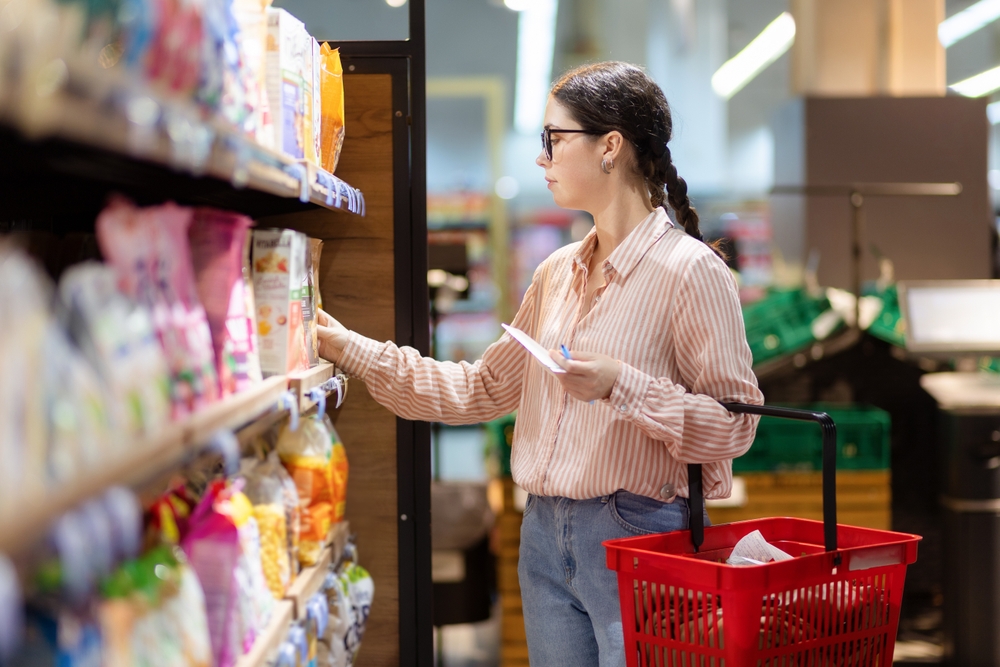
Colgate-Palmolive CEO Noel Wallace noted that the uncertainty in the market has led to a “pensive and anxious consumer.” He pointed to the travel industry, where airlines such as Delta and American Airlines are seeing consumers tighten their trip budgets. Wallace also predicted that shoppers would reduce purchases of non-essential items, such as toiletries, and begin destocking their pantries. Colgate-Palmolive reported a 3.6% sales drop in North America between January and March.
Consumer Sentiment Survey Shows Decline
The University of Michigan’s latest consumer sentiment survey, released Friday, shows a steep decline in confidence. In April, sentiment fell 8% from March and 32% from January. More consumers reported concerns about their finances and expected inflation to rise. Despite easing inflation, with consumer prices rising just 2.4% year-over-year in March, the outlook remains gloomy.
Retail Sales Surge Pre-Tariff Concerns
Before the tariffs took effect, March retail sales saw a significant jump, driven by purchases of cars and big-ticket items as consumers rushed to buy before price hikes. Economists note that low unemployment and rising incomes have supported continued consumer spending, but with increasing uncertainty, the future remains unclear.