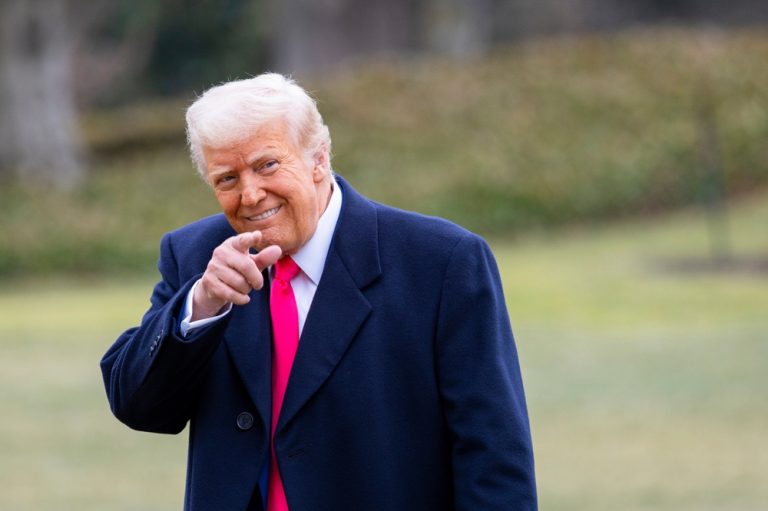






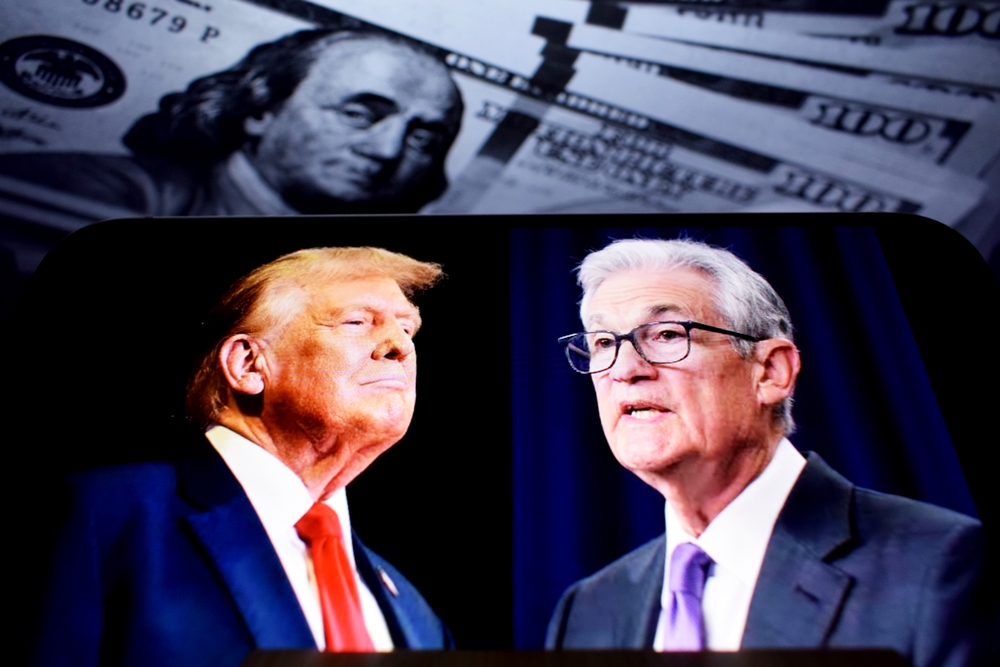
U.S. President Donald Trump backtracked on his earlier threats to fire Federal Reserve Chair Jerome Powell, signaling a de-escalation after several days of harsh criticism aimed at the central bank chief for not lowering interest rates.
On Tuesday, Trump told reporters in the Oval Office, “I have no intention of firing him,” responding to mounting concerns that his criticism of Powell was undermining confidence in the Federal Reserve’s independence. Trump added that he would like to see Powell “a little more active” in terms of rate cuts but emphasized his intention to keep the Fed chair in place for now.
Market Reaction: Optimism Returns
The announcement brought relief to Wall Street, with major stock indexes rallying by nearly 2% in after-hours trading. Investors had been unsettled by Trump’s recent comments attacking Powell, with markets experiencing sharp declines on Monday due to concerns over the president’s ongoing clash with the Fed.
“Whether this reflects Monday’s brutal foretaste of what would happen in markets if he did try to fire Powell, or was the plan all along, it is a clear positive,” said Krishna Guha, Vice Chairman of Evercore ISI. Guha noted that the announcement lowered the risk of more severe economic outcomes like stagflation or a debt crisis.
Trade Deal Hopes Boost Market Sentiment
In addition to backing down on his threats toward Powell, Trump also expressed optimism about a potential trade deal with China. He suggested that a trade agreement could “substantially” reduce tariffs on Chinese goods, which lifted investor sentiment even further. However, he clarified that while tariffs would decrease, they would not be eliminated entirely.
Despite the positive developments, financial markets remain cautious as Trump’s erratic trade policies have caused turmoil in U.S. markets for weeks. Trump’s tariff announcements and his personal attacks on Powell have created an environment of uncertainty, shaking investor confidence.
Long-Term Economic Concerns Remain
Trump’s policy on tariffs, especially those targeting China, continues to reverberate through the global economy. While some investors found solace in the recent de-escalation between the president and the Fed, many remain concerned about the long-term economic effects of Trump’s aggressive trade actions. The possibility of continued tariff tensions and trade disruptions could prolong economic uncertainty and add to inflationary pressures.
Meanwhile, Trump’s confrontations with Powell have raised questions about the limits of presidential influence over the Federal Reserve. The central bank operates independently, and the president’s ability to remove the Fed chair is restricted by law. However, Trump’s comments highlight the tension between political pressures and the Fed’s mandate to pursue monetary policy without political interference.
Economic Outlook: Slowdown Risks Persist
As the effects of tariffs continue to play out, economists are increasingly concerned about the potential slowdown of the U.S. economy. The International Monetary Fund (IMF) recently downgraded its growth forecasts for both the U.S. and the global economy, citing Trump’s tariffs as a key factor behind the downgrade.
Though U.S. employment and retail sales data have shown resilience, economic surveys indicate rapidly declining confidence among households and businesses. As the full impact of tariffs is felt in the coming months, many economists believe that the risks to the economy are skewed to the downside.
Despite the challenges, Trump’s recent remarks have calmed some nerves in the short term, but the longer-term outlook remains uncertain as the global trade environment continues to evolve.